How to Remove Black Mould from Walls, Silicone and Windows (UK Guide)

Black mould is one of the most common problems in UK homes, and it shows up fastest between November and March. Cold walls, windows kept shut and washing dried indoors all create the damp, still air mould needs.
The good news: most surface mould can be removed in an afternoon with the right products. This guide shows you how to remove black mould from walls, bathroom silicone, grout, window frames and ceilings, how to stop it returning, and what to do if you're a tenant worried about your deposit.
Quick answer: For hard surfaces, spray a mould remover or diluted bleach, leave it for 10–15 minutes, scrub with a stiff brush, wipe clean and dry the area completely. For painted walls and other porous surfaces, use white vinegar or a non-bleach mould spray instead. If the mould covers a large area or keeps coming back, you have a damp problem, not just a cleaning one.
Before You Start: Safety and What You'll Need
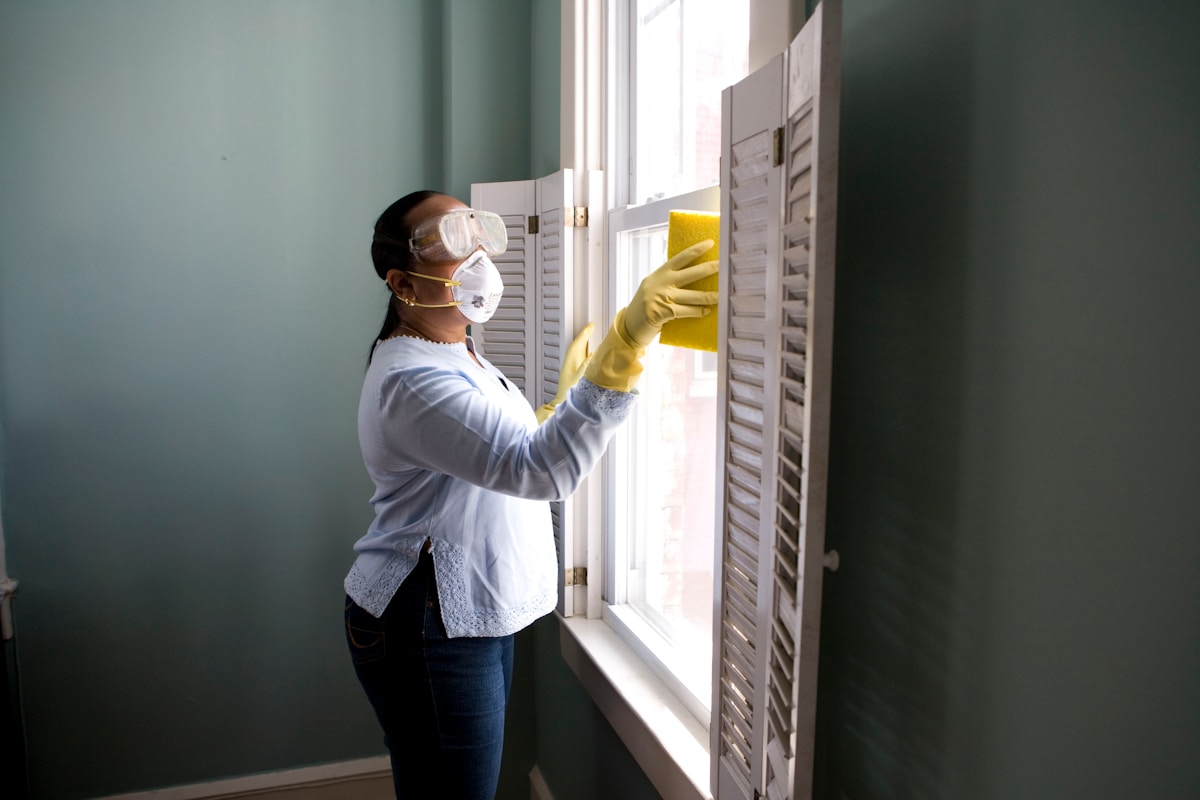
Mould spores can irritate your lungs, eyes and skin, so protect yourself before you start scrubbing.
- Open windows and keep the room ventilated while you work
- Wear rubber gloves, safety goggles and a face mask
- Never mix bleach with vinegar, ammonia or other cleaners. The combination releases toxic gas
- Keep children and pets out of the room
- Anyone with asthma, allergies or a weak immune system should leave the job to someone else
Kit list:
- Mould and mildew spray (or household bleach diluted 1 part to 10 parts water)
- White vinegar in a spray bottle
- Bicarbonate of soda
- Stiff brush and an old toothbrush
- Microfibre cloths you can throw away or hot wash
- Bin bag for used cloths
How to Remove Black Mould from Walls
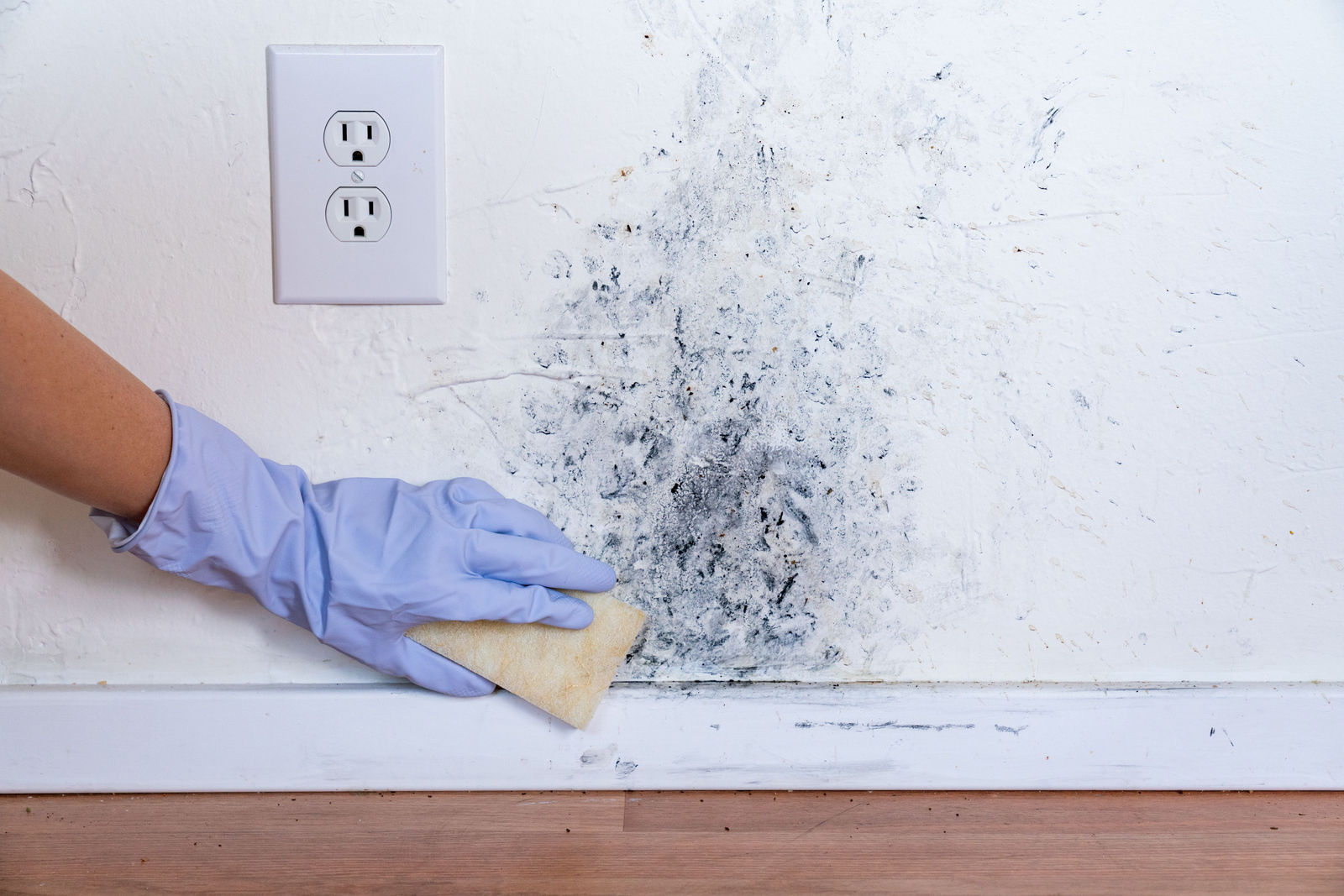
Walls are where most people first notice mould, usually in corners, behind furniture and on outside-facing walls.
- Move furniture away from the wall so you can see the full extent of the mould.
- Spray white vinegar (undiluted) onto the mould. Vinegar works well on painted plaster because it soaks into porous surfaces better than bleach.
- Leave it for an hour, then scrub gently with a soft brush. Scrubbing too hard can lift paint.
- Wipe with a damp cloth, then dry the wall thoroughly with a clean cloth or a fan.
- For stubborn marks, use a mould remover spray made for walls and follow the label.
- Repaint with anti-mould paint once the wall is completely dry, if staining remains.
Wallpaper: mould on wallpaper often grows behind it too. If wiping doesn't shift it, the paper usually needs to come off. If you're renting, report it to your landlord rather than stripping it yourself.
How to Remove Black Mould from Silicone Sealant

Bathroom silicone around the bath, shower tray and sink is the number one spot for black mould, and the hardest to fully clean.
- Dry the sealant with a towel first.
- Soak cotton wool or kitchen roll in diluted bleach (or a gel mould remover) and press it along the sealant so it stays in contact.
- Leave it for a few hours, or overnight for heavy staining.
- Remove the cotton wool, scrub with an old toothbrush and rinse with clean water.
- Dry the area and keep it dry for the rest of the day.
Prefer something natural? Use a paste of bicarbonate of soda and white vinegar, leave it for 30 minutes, then scrub. It is gentler but slower than bleach.
If the black stays: mould has grown into the silicone itself. Cleaning won't fix it. The only real fix is cutting the old sealant out and applying new mould-resistant silicone.
How to Remove Black Mould from Grout and Bathroom Tiles

- Spray mould remover or diluted bleach along the grout lines.
- Leave for 10–15 minutes.
- Scrub along each line with a stiff toothbrush.
- Rinse and dry the tiles with a towel.
- For grout that stays dark, use a grout pen or regrout once it's dry.
How to Remove Black Mould from Window Frames and Seals

Condensation runs down the glass every morning and collects in the rubber seals and frame corners, which is why windows go black so quickly in winter.
- Wipe away any standing water first.
- Spray mould remover onto uPVC frames, or white vinegar onto wooden frames.
- Use a toothbrush or cotton bud to get into the rubber seals and corners.
- Wipe clean and dry everything, including the window sill.
- Wipe condensation off the windows every morning to stop the mould returning.
How to Remove Black Mould from a Ceiling

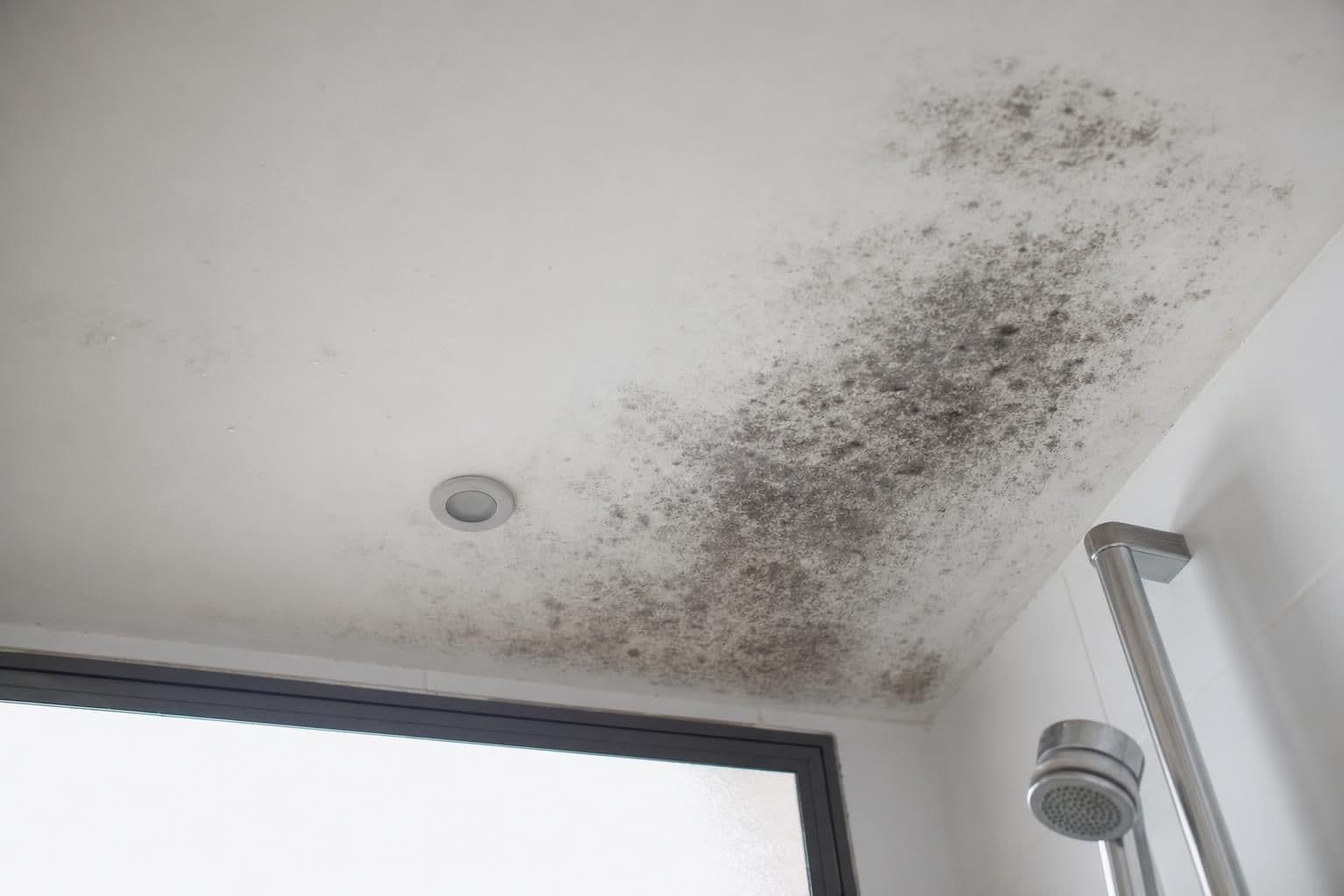
Bathroom ceilings get mould when steam has nowhere to go.
- Cover the floor and wear goggles, since spray will drip.
- Use a sponge mop or a sponge on an extendable pole dipped in mould remover or diluted bleach.
- Leave for 10–15 minutes, then wipe with clean water.
- Let it dry fully, with the window open or extractor fan on.
- Repaint with anti-mould bathroom paint if marks remain.
Renting? Black Mould and Your Deposit
If you rent in London, mould matters twice: once for your health and again at your end of tenancy inspection.
Who is responsible for mould in a rented property? It depends on what's causing it.
- Condensation mould (from cooking, showers, drying clothes, poor ventilation) is often treated as the tenant's job to keep on top of with regular cleaning and airing.
- Mould from damp in the building (leaks, rising damp, broken extractor fans, poor insulation) is normally the landlord's responsibility to fix.
How to protect your deposit:
- Report mould to your landlord or letting agent in writing, with dated photos, as soon as you notice it
- Clean surface mould regularly so it doesn't build up over your tenancy
- Compare against your check-in inventory before you move out
- Clean every mouldy area at least a few days before your check-out, so it has time to dry
Mould on silicone, window seals and bathroom ceilings is one of the things check-out clerks look for. Use our end of tenancy cleaning checklist to make sure nothing gets missed.
This section is general guidance, not legal advice. If you're in a dispute, contact your deposit protection scheme or Citizens Advice.
How to Stop Black Mould Coming Back
Removing mould is only half the job. If the conditions stay the same, it will be back within weeks.
- Open windows for 10–15 minutes every day, even in winter
- Run the extractor fan while showering and cooking, and for 15 minutes after
- Dry clothes outside or in a tumble dryer. If you must dry indoors, use a room with the window open
- Wipe condensation off windows every morning
- Leave a small gap between furniture and outside walls so air can circulate
- Keep the heating at a steady, low level rather than blasting it on and off
- Use a dehumidifier in rooms that stay damp
If mould returns within a couple of weeks even though you're doing all of the above, there's likely a damp problem in the building. Report it to your landlord (or a damp specialist, if you own the home).
Frequently Asked Questions
Does vinegar kill black mould? White vinegar is effective on many surface moulds and is a good choice for porous surfaces like painted walls. For heavy staining on hard surfaces, a dedicated mould remover usually works faster.
Is bleach or vinegar better for mould? Bleach is better for removing stains on hard, non-porous surfaces like tiles and silicone. Vinegar is better for porous surfaces like painted walls. Never use them together.
Can I paint over black mould? No. Mould will grow back through the paint. Clean it off, let the surface dry fully, then use anti-mould paint.
Is black mould dangerous? Mould can trigger breathing problems, allergies and asthma, especially in children, older people and anyone with a health condition. If you're worried about your health, speak to your GP.
When should I call a professional? If the mould covers a large area, keeps coming back after cleaning, or you have a health condition that mould could make worse.
Moving Out? Let Us Handle It
York Street Homes provides end of tenancy cleaning across south-west and central London, including Kingston, Richmond, Putney and Wandsworth. We clean to the standard letting agents and check-out clerks expect, so you can hand back the keys with confidence.