Moving out of a flat in Richmond, Kew, East Sheen or Twickenham? The last thing you want is to lose part of your deposit over a greasy oven or limescale in the shower. Cleaning is consistently the number one reason for deposit disputes in England, ahead of damage, redecoration and rent arrears.
The good news: almost every cleaning deduction is avoidable if you know what the check-out clerk is going to look at. This guide gives you a room-by-room end of tenancy cleaning checklist, explains what you legally have to do (and what you don't), and shows you when it makes sense to book a professional.
What Richmond letting agents check at check-out
Richmond has a lot of period conversions, Victorian terraces and riverside flats, and agents here tend to be thorough. At check-out, the inventory clerk compares the property against the check-in inventory — the report (usually with photos) made on the day you moved in. Your job is to return the property in the same condition, minus fair wear and tear.
The areas that cause the most deductions are:
- The oven, hob and extractor hood — grease and burnt-on residue are the single most common cleaning charge.
- Bathroom limescale — Richmond and most of south-west London have very hard water, so taps, shower screens, tiles and shower heads build up limescale fast.
- Carpets — stains, pet hair and flattened, dirty traffic areas.
- Inside cupboards, drawers and appliances — fridges, freezers, washing machines and dishwasher filters.
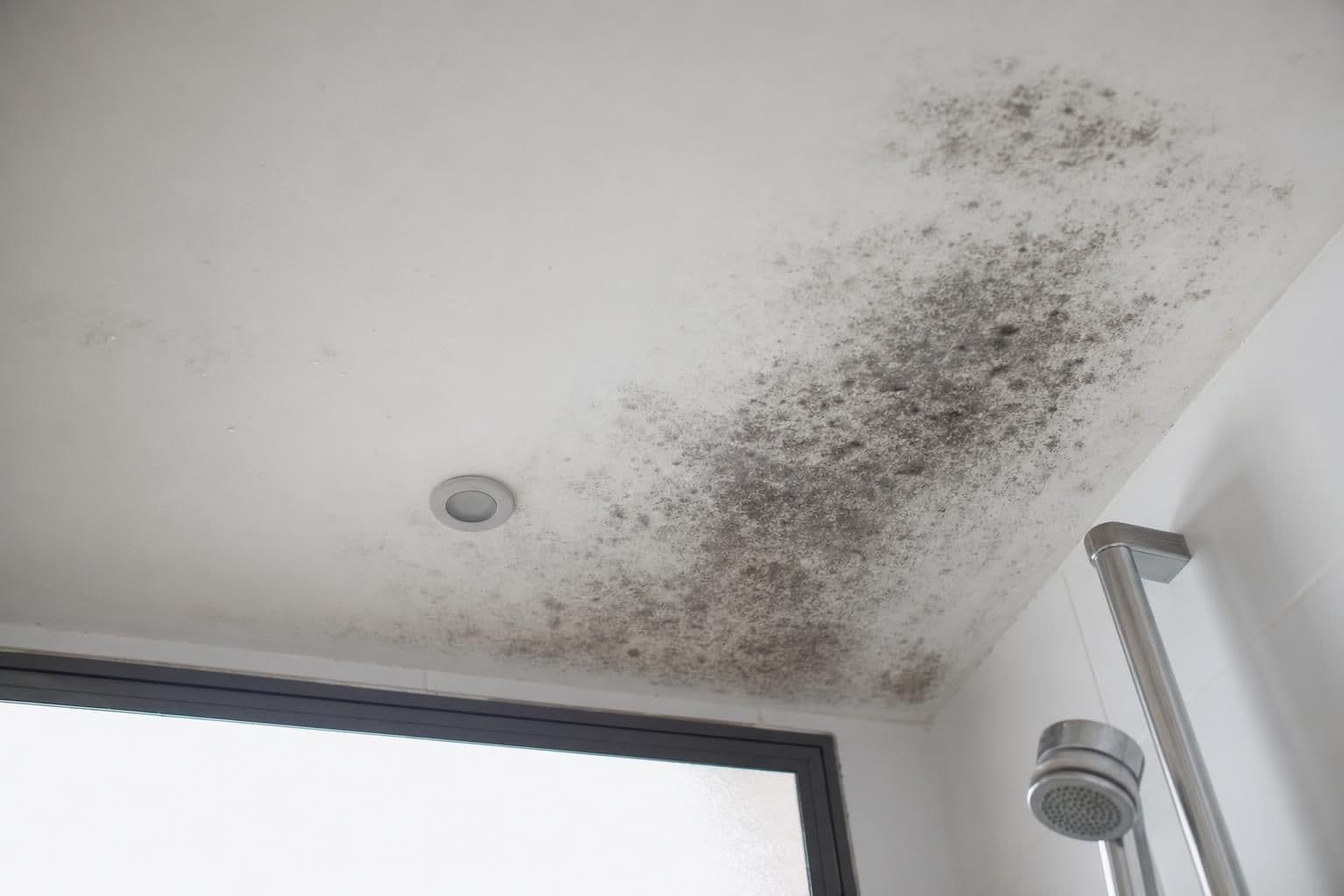
- Windows, sills and frames — including condensation mould around sash windows in older houses.
- Skirting boards, doors and light switches — dust and fingerprints are easy to miss and easy to photograph.
Tip: dig out your check-in inventory before you start. If something was dirty or damaged when you moved in, it should be recorded there — and you can't be charged to bring it up to a better standard than it was.
Your room-by-room end of tenancy cleaning checklist

Kitchen
- Degrease the oven inside and out, including racks, trays, the door glass and the seals
- Clean the hob, burners or ceramic surface, and the splashback
- Degrease the extractor hood and wash or replace the filter
- Defrost, clean and dry the fridge and freezer (leave doors ajar if switched off)
- Clean the microwave inside and out
- Clean the washing machine drawer, door seal and filter
- Run the dishwasher empty and clean its filter
- Wipe inside and outside every cupboard and drawer
- Descale the sink, taps and kettle area
- Wipe worktops, tiles and grout
- Clean the bin and the floor, including under appliances you can move

Bathroom
- Descale taps, shower head, shower screen and tiles (hard water makes this essential in Richmond)
- Deep clean the bath, shower tray and sink, including the overflows and plugholes
- Clean the toilet inside and out, including the base and behind it
- Remove mould from silicone sealant and grout where possible
- Clean the mirror, cabinets and any shelving
- Wipe the extractor fan cover
- Mop the floor and clean behind the toilet
Bedrooms and living areas
- Vacuum carpets thoroughly, including edges and under furniture
- Treat any stains, or book a carpet clean if the inventory says carpets were professionally cleaned at the start
- Wipe inside wardrobes, drawers and shelves
- Dust skirting boards, picture rails, door frames and the tops of doors
- Clean light switches, sockets and door handles
- Wipe radiators and behind them where you can reach
- Clean mattress protectors, or vacuum the mattress if it is part of the inventory
- Dust lampshades and light fittings
Windows, hallways and the rest
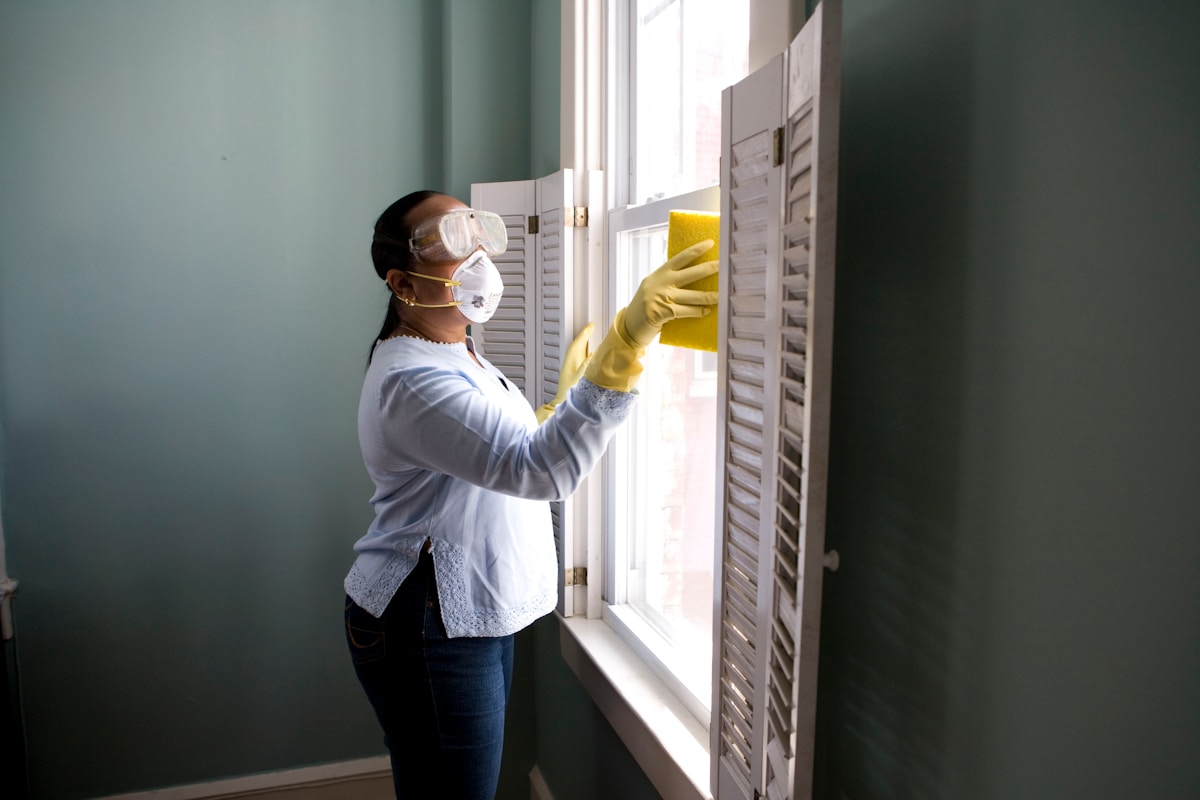
- Clean interior windows, frames, sills and runners (sash windows collect a lot of dirt in the channels)
- Wipe down the front door, letterbox and entrance area
- Clean stairs and banisters in houses or maisonettes
- Clear any balcony, patio or garden of rubbish (check your tenancy for garden responsibilities)
- Remove all your belongings and rubbish — items left behind are a common extra charge
- Take dated photos and a short video of every room once you're finished
Who pays for end of tenancy cleaning: the tenant or the landlord?
In short: the tenant is responsible for leaving the property as clean as it was at the start of the tenancy, allowing for fair wear and tear. If you don't, the landlord can deduct a reasonable amount from your deposit to cover the cleaning — but they need evidence, usually by comparing the check-in and check-out reports.
What the landlord can't do is make you pay a fixed cleaning fee, or force you to use their chosen cleaning company. You also can't be charged to make the property cleaner than it was when you moved in.
Can my tenancy agreement make me pay for a professional clean?
No. Since the Tenant Fees Act 2019 came into force on 1 June 2019, landlords and letting agents in England can't require you to pay for a professional clean when you move out. A clause in your tenancy agreement saying you must use (or pay for) professional cleaners is not enforceable.
The Renters' Rights Act, which came into force on 1 May 2026, doesn't change this. Professional cleaning fees are still banned, and deductions for genuine cleaning shortfalls are still allowed.
In practice, this means:
- You can clean the property yourself, as long as you bring it back to the check-in standard.
- If the property was professionally cleaned before you moved in, the standard you need to meet is a professional-level clean — so many tenants choose to book one anyway.
- If you do book a professional clean, keep the receipt. It's strong evidence if the landlord later disputes the condition.
- If you disagree with a deduction, your deposit must be protected in a government-approved scheme (DPS, TDS or mydeposits), and each one offers a free dispute resolution service.
DIY or professional end of tenancy cleaning?
A DIY clean can work well for a small, lightly used flat if you have the time and the right products. But an end of tenancy clean is a lot more than a normal weekly clean, and most people underestimate how long it takes — a proper oven degrease alone can take a couple of hours.
A professional clean usually makes sense if:
- The property was professionally cleaned when you moved in.
- You're moving out in a hurry, or you're juggling the move with work.
- The oven, bathroom limescale or carpets need serious attention.
- You have pets, or you've lived there for a long time.
- You want the reassurance of a re-clean if the agent flags anything at check-out.
For a full breakdown of prices by property size, see our guide to how much end of tenancy cleaning costs in London. And if your oven is the main worry, read why oven cleaning is the most common reason deposits are deducted.
End of tenancy cleaning in Richmond and nearby areas
York Street Homes provides end of tenancy cleaning across Richmond upon Thames and the surrounding areas, including:
- Richmond (TW9, TW10)
- Kew
- East Sheen and Mortlake (SW14)
- St Margarets and Twickenham
- Barnes and Castelnau
- Teddington and Hampton Wick
- Putney (SW15) and Kingston upon Thames
We clean to the standard letting agents check against at inventory — ovens, limescale, carpets and all.
Moving out soon? Get your free end of tenancy cleaning quote — it only takes a minute.
Frequently asked questions
How long does an end of tenancy clean take?
It depends on the size and condition of the property. A studio or one-bedroom flat is usually a few hours for a professional team, while a larger family house can take most of a day. Allow much longer if you're doing it yourself.
When should I book my end of tenancy clean?
Book the clean for after you've moved all your belongings out, and ideally a day before the check-out inspection. Book early during busy periods such as December and the summer, when lots of tenants move at once.
Do I need to clean the carpets?
You need to return the carpets in the same condition as at check-in, allowing for fair wear and tear. If your inventory says the carpets were professionally cleaned when you moved in, a professional carpet clean is usually the safest way to meet that standard.
Can my landlord keep my whole deposit for cleaning?
Only if the cost of the cleaning genuinely justifies it, and they must be able to show evidence. Deductions have to be reasonable and proportionate. If you disagree, you can raise a free dispute with your deposit protection scheme.
Does fair wear and tear count as dirt?
No. Fair wear and tear covers the natural decline that comes from normal use over time — like slightly worn carpets or faded paint. Dirt, grease, limescale and stains are not wear and tear, so they can be charged for if you leave them behind.